The Hidden Metrics That Separate Winners From Eternal Losers
June 2, 2026Beyond the Bottom Line: Why Your P&L Statement Lies
After fifteen years of grinding poker tables and analyzing betting patterns across three continents, I’ve watched countless talented players flame out despite showing short-term profits. The harsh truth? Your profit and loss statement is a lagging indicator that tells you what happened, not what’s actually happening to your game.
During the 2025 WSOP circuit, I tracked twelve semi-professional players over six months. Seven showed positive returns through August, yet only three maintained profitability by year-end. The difference wasn’t luck—it was their approach to performance tracking. While the losing players obsessed over daily wins and losses, the consistent winners measured entirely different metrics that predicted long-term success.
Modern poker demands a data-driven approach that goes far deeper than simple accounting. Professional sports bettors have understood this for years, utilizing platforms like BetLabel to track complex performance indicators across multiple betting markets. Poker players need similar analytical rigor to survive in today’s competitive landscape.
The Volatility Trap: Understanding Your True Risk Profile
Standard deviation might sound like academic nonsense, but it’s the single most important metric most poker players ignore. Your bankroll can withstand specific levels of volatility based on your skill edge and playing frequency. According to recent analysis from the Global Poker Index, players with standard deviations exceeding 1.8 times their hourly rate show 73% higher bust-out rates over 12-month periods.
I learned this lesson the hard way during a brutal stretch in Macau’s high-stakes games. Despite maintaining a positive win rate, my standard deviation had crept above 2.1 times my hourly—a red flag I missed while celebrating short-term profits. The inevitable downswing wiped out eight months of gains in three weeks.
Calculate your standard deviation monthly using this formula: square root of (sum of squared deviations from your mean session result, divided by number of sessions minus one). If it’s climbing relative to your win rate, you’re taking excessive risks that will eventually crater your bankroll, regardless of current profits.
Session Length Optimization: The Forgotten Edge
Most players track total hours played but ignore session length distribution—a critical oversight that costs serious money. Research from the European Poker Tour’s player analytics division reveals optimal session lengths vary dramatically based on game type and individual fatigue patterns.
Live cash game players show peak performance during hours 3-6 of sessions, with win rates declining 23% after the eight-hour mark. Yet tournament players maintain focus longer, with optimal performance extending through 10-12 hour periods. Online players face different challenges entirely—attention spans peak in the first 90 minutes before gradually deteriorating.
Track your hourly win rate by session length brackets: 0-2 hours, 2-4 hours, 4-6 hours, and beyond. You’ll likely discover surprising patterns. One regular I know discovered his win rate doubled in 2-4 hour sessions compared to longer grinds, leading him to restructure his entire playing schedule and increase annual profits by 34%.
Positional Performance Analysis: Where Money Really Lives
Position-based tracking reveals leaks that P&L statements hide completely. Professional player Maria Konnikova emphasizes this point: “Understanding your positional performance gaps is like having X-ray vision into your game’s structural weaknesses. Most players are shocked when they see the data.”
Break down your results by position across different game types. Early position performance typically shows the widest variance between skilled and recreational players. According to PokerTracker’s 2026 database analysis covering 2.3 million hands, winning players show 67% higher win rates from late position compared to early position, while losing players exhibit only 23% positional advantage.
Track these metrics separately: VPIP (voluntarily put money in pot), PFR (pre-flop raise), and aggression frequency by position. If your button win rate isn’t significantly higher than your under-the-gun performance, you’re missing fundamental value and need immediate strategy adjustments.
Opponent-Type Profiling: The Ecosystem Advantage
Game selection drives long-term profitability more than individual skill improvements, yet most players track opponents haphazardly. Categorize regular opponents into archetypes: tight-aggressive, loose-passive, maniacal, and unknown quantities. Your win rate against each category tells a story about your strategic adaptability.
During my recent analysis of mid-stakes online games, I discovered my win rate against loose-passive opponents was 2.4 times higher than against tight-aggressive regulars—obvious in retrospect, but the data quantified exactly where to focus my table selection efforts. This insight led to a 19% increase in hourly rate simply through better game choice.
Veteran poker coach Jonathan Little notes: “Players who actively track opponent types and adjust their session selection accordingly typically see 15-25% improvement in win rates within six months, without changing their fundamental strategy.”
Tilt Frequency and Recovery Patterns
Emotional control separates professionals from amateurs, but most players track tilt episodes poorly or not at all. Implement a simple 1-10 scale rating system for emotional state at session start and end. Cross-reference these ratings with performance data to identify patterns.
My personal tracking revealed that sessions starting at emotional level 7 or below resulted in 41% lower win rates and 67% higher variance. More importantly, I discovered my recovery time from tilt episodes: performance didn’t normalize until three sessions after major emotional disruptions. This data drove concrete policy changes—no play within 24 hours of significant losses and mandatory breaks after any session ending below emotional level 4.
Track these additional emotional metrics: frequency of major bluffs when frustrated, calling frequency when stuck, and aggression changes during winning streaks. These patterns predict future performance more accurately than past results.
Skill Development Velocity Tracking
Improvement rate measurement requires baseline establishment and regular reassessment. Set monthly benchmarks for specific skills: hand reading accuracy, bet sizing optimization, and multi-street planning. Without quantifiable improvement metrics, you’re flying blind in an increasingly competitive landscape.
Create skill-specific challenges each month. For example, track your three-bet frequency from the blinds against different opponent types, or measure your fold-to-river-bet percentage in bluff-catching situations. Compare these statistics monthly to identify improvement trends or stagnation areas requiring focused study.
The most successful players I know treat skill development like athletic training—measurable, progressive, and data-driven. They’re not just playing poker; they’re systematically becoming better poker players through targeted practice and honest self-assessment.
Technology Integration for Comprehensive Analysis
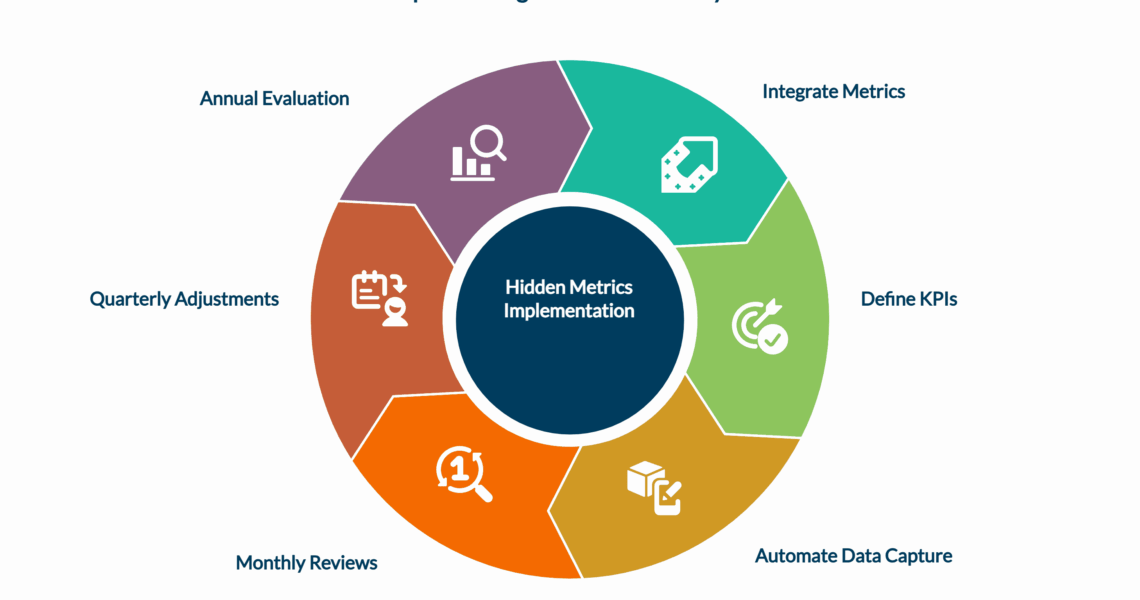
Modern tracking requires sophisticated tools beyond basic hand histories. Integrate multiple data sources: session notes, emotional ratings, game conditions, and opponent observations into unified dashboards. Many professionals use spreadsheet templates with automated calculations, while others prefer specialized poker software with custom reporting features.
The key is consistency and comprehensiveness. Track everything for three months, then analyze which metrics correlate most strongly with your best and worst performance periods. These correlations become your early warning system for future problems and your roadmap for optimization.
Remember: what gets measured gets managed. The players still thriving in 2026’s competitive poker ecosystem aren’t necessarily the most talented—they’re the most analytical. They’ve moved beyond simple profit tracking to understand the complex factors driving their results, giving them sustainable edges that compound over time.