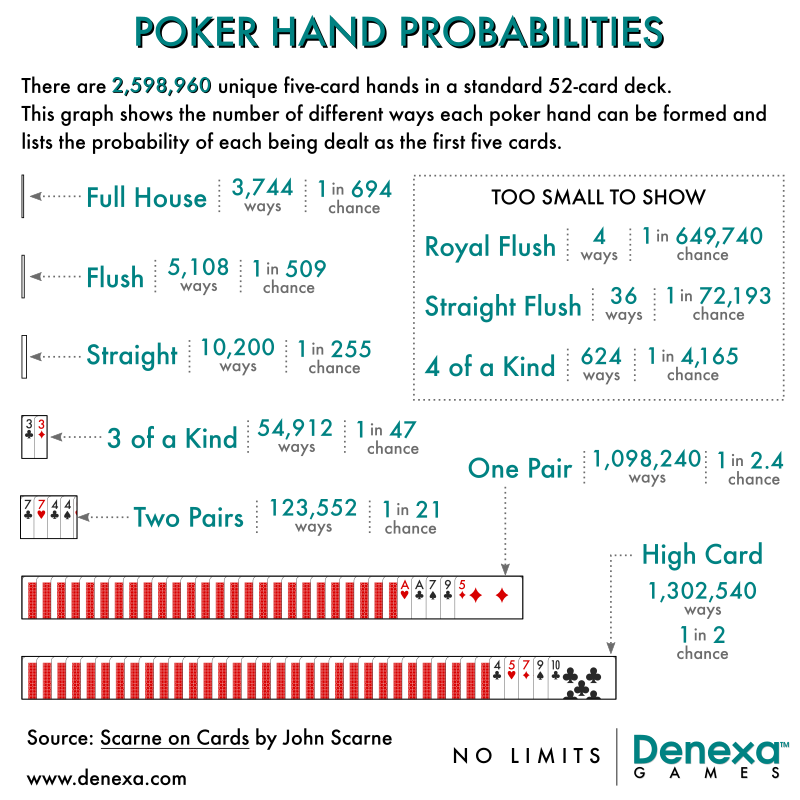
Understanding Poker Odds and Probabilities
March 30, 2026Poker is a game of skill, strategy, and, most importantly, understanding the odds and probabilities involved in each hand. As an expert gambling journalist, I’m here to guide you through the intricacies of poker odds and probabilities, equipping you with the knowledge to make informed decisions at the tables and maximize your chances of success.
The Fundamentals of Poker Odds
In poker, understanding the odds of completing a hand is crucial. Whether you’re playing Texas Hold’em, Omaha, or any other variant, the ability to accurately calculate the probability of improving your hand can mean the difference between a profitable session and a costly one. Let’s dive into the key concepts that will help you navigate the world of poker odds.
Calculating Pot Odds
Pot odds refer to the ratio of the current size of the pot to the amount you need to call. This calculation helps you determine whether the potential reward of winning the pot is worth the risk of making the call. By comparing the pot odds to the odds of completing your hand, you can make informed decisions about when to call, raise, or fold.
For example, if the pot is $100 and you need to call $20 to stay in the hand, your pot odds are 5-to-1 (5:1). This means that for every $1 you invest, you have the potential to win $5 if you complete your hand. Understanding pot odds is essential in determining the correct play in a given situation.
Outs and Implied Odds
Outs are the unseen cards that can improve your hand to a winning hand. By counting the number of outs you have, you can calculate the probability of completing your draw. This information, combined with the pot odds, helps you determine the implied odds, which are the potential payout you can expect if you hit your draw.
Suppose you have a flush draw with 9 outs. The probability of completing your flush on the next card (the turn) is approximately 35%, and the probability of completing it by the river is around 55%. Understanding your outs and implied odds allows you to make informed decisions about whether to call, raise, or fold in a given situation.
Mastering Preflop Poker Odds

Preflop decisions are the foundation of your poker strategy, and understanding the odds associated with starting hand selection is crucial. By analyzing the probability of improving your hand based on the cards you’re dealt, you can make more informed choices about whether to play a hand or fold.
Calculating Preflop Odds
To calculate preflop odds, you need to consider the number of unseen cards that can improve your hand, as well as the number of cards that can potentially improve your opponent’s hand. This information, combined with the size of the pot and the action, helps you determine the optimal play.
For example, if you’re dealt pocket aces preflop, you have the best possible starting hand. However, you still need to consider the probability of your opponent improving their hand and the potential payoff if you win the pot. By understanding the preflop odds, you can make more informed decisions about how to play your premium hands.
Applying Poker Odds in Game Situations
Now that you understand the fundamental concepts of poker odds, let’s explore how to apply them in real-world game situations. By incorporating odds analysis into your decision-making process, you can gain a significant edge over your opponents.
Navigating Postflop Scenarios
Postflop play is where the true art of poker is revealed. After the flop, turn, and river are dealt, you need to constantly evaluate the odds of improving your hand and the potential payoff if you do. This includes considering the number of outs you have, the pot odds, and the implied odds.
For instance, if you have a gutshot straight draw on the flop, you’ll need to weigh the probability of completing your hand against the current pot size and the likelihood of your opponent holding a stronger hand. By accurately calculating the odds, you can make more informed decisions about whether to continue betting or fold.
Adjusting Your Strategy
Poker is a dynamic game, and your approach should adapt to the changing circumstances at the table. By incorporating odds analysis into your decision-making process, you can adjust your strategy accordingly. This may involve playing more conservatively when the odds are against you, or taking calculated risks when the odds are in your favor.
Remember, understanding poker odds is not a one-time exercise; it’s an ongoing process that requires practice and refinement. By continuously analyzing the odds in various situations, you’ll develop a more intuitive feel for the game, leading to better decision-making and, ultimately, more successful poker sessions.
As a responsible gambling journalist, I’d like to remind you that while understanding poker odds can improve your game, it’s essential to always gamble responsibly. Set a budget, know your limits, and never chase losses. Poker should be an enjoyable experience, not a means to an end. With the right approach and a solid understanding of odds and probabilities, you can maximize your chances of success at the tables.