Ultimate Poker Guide for Beginners
February 16, 2026Poker is a game of skill, strategy, and luck that has captivated players worldwide for generations. Whether you’re a seasoned pro or a complete beginner, mastering the fundamentals of poker can be the key to unlocking a world of thrilling gameplay and potential winnings. In this comprehensive guide, we’ll explore the essential tips and strategies to help you navigate the exciting realm of poker as a newcomer.
Understanding the Basics of Poker
Poker is a card game that involves players betting on the strength of their hand, which is determined by a combination of the cards they are dealt and the community cards revealed on the table. The most common poker variants include Texas Hold’em, Omaha, and Seven-Card Stud, each with its own unique rules and strategies. As a beginner, it’s crucial to familiarize yourself with the basic hand rankings, betting structures, and gameplay mechanics of the specific poker variant you choose to play.
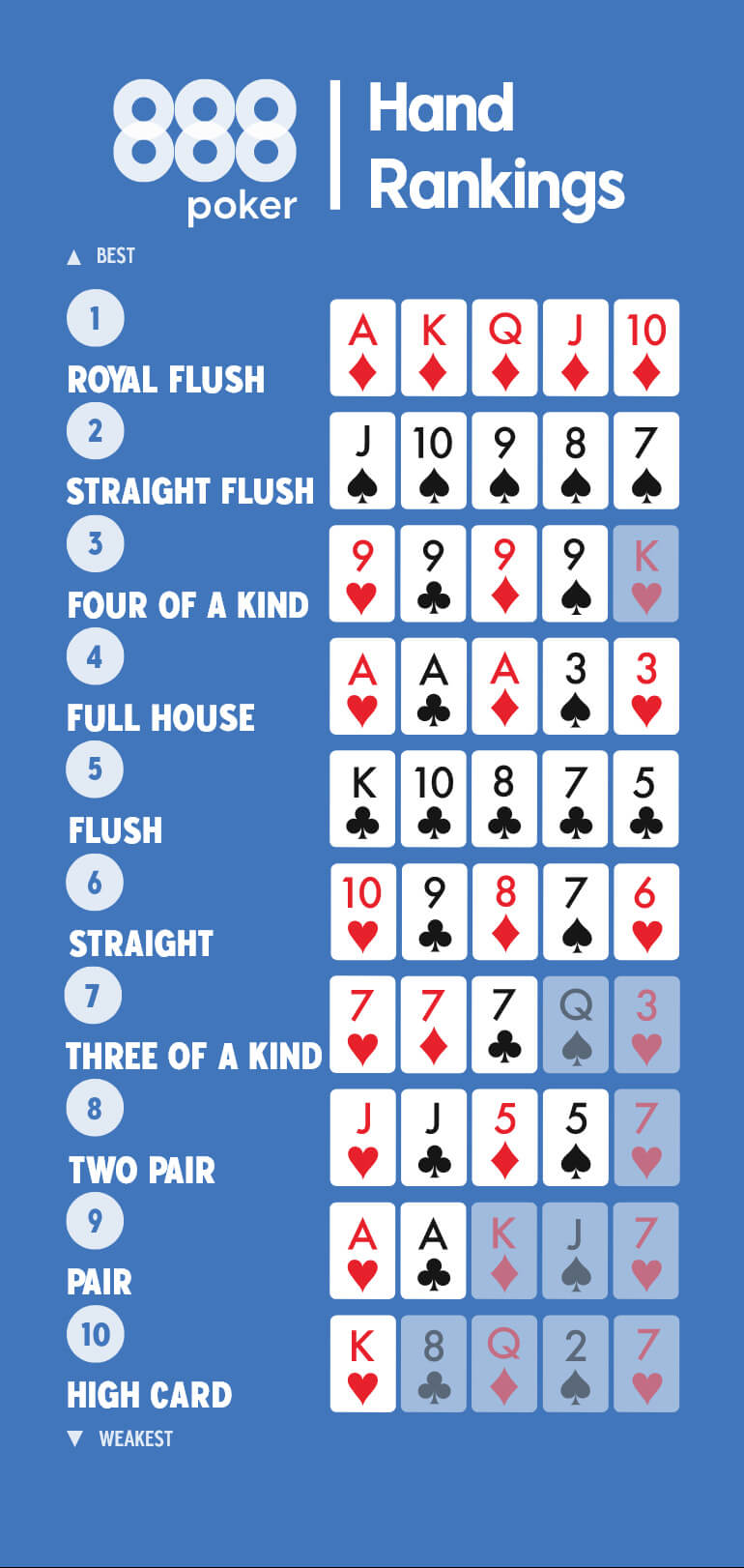
Poker Hand Rankings
One of the first things you’ll need to learn as a poker beginner is the hand rankings, which determine the strength of a player’s hand. From highest to lowest, the standard poker hand rankings are: Royal Flush, Straight Flush, Four of a Kind, Full House, Flush, Straight, Three of a Kind, Two Pair, One Pair, and High Card.
Betting Structures and Gameplay
Poker games can have different betting structures, such as Fixed Limit, Pot Limit, and No Limit. Understanding the specific betting rules and limits of the game you’re playing is crucial to making informed decisions and managing your bankroll effectively. Additionally, familiarize yourself with the gameplay mechanics, such as the pre-flop, flop, turn, and river stages, as well as the role of community cards and the importance of position at the table.
Developing Fundamental Poker Strategies

As a beginner, it’s essential to focus on developing a solid foundation of fundamental poker strategies. These basic principles will serve as the building blocks for more advanced techniques as you progress in your poker journey.
Bankroll Management
Proper bankroll management is one of the most crucial aspects of successful poker play. Avoid the temptation to bet more than you can afford to lose, and instead, establish a realistic bankroll and stick to it. This will help you withstand the natural fluctuations of the game and minimize the risk of going bust.
Tight-Aggressive (TAG) Approach
The Tight-Aggressive (TAG) approach is a widely recommended strategy for beginner poker players. This approach emphasizes playing a relatively small number of hands, but when you do play, you do so aggressively. By focusing on high-quality starting hands and applying consistent pressure through betting and raising, you can maximize your chances of winning while minimizing your risk.
Patience and Discipline
Patience and discipline are essential virtues in the world of poker. Resist the urge to play every hand and instead, wait for the right opportunities to make your move. This discipline will not only protect your bankroll but also help you make more informed and profitable decisions at the table.
Mastering Poker Etiquette and Etiquette
In addition to developing your poker skills, it’s equally important to understand and adhere to the etiquette and etiquette of the game. Proper etiquette not only ensures a pleasant experience for all players but also helps you avoid potential conflicts and maintain a positive reputation at the table.
Respecting the Rules and Procedures
Familiarize yourself with the rules and procedures of the poker room or online platform you’re playing on. This includes understanding the proper way to place bets, handle your cards, and interact with the dealer and other players. Adhering to these rules will demonstrate your respect for the game and your fellow players.
Maintaining Composure and Sportsmanship
Poker can be an emotionally charged game, but it’s essential to maintain your composure and exhibit good sportsmanship at all times. Avoid making negative comments or displaying poor behavior, even if you experience a bad beat or a frustrating run of cards. Treating your opponents with respect and grace will not only make for a more enjoyable experience but also earn you the respect of the poker community.
Embracing the Poker Community
Poker is not just a game; it’s a vibrant community of players from all walks of life. As a beginner, embracing this community and engaging with fellow players can be a valuable asset in your poker journey.
Seeking Mentorship and Learning Opportunities
Consider seeking out experienced poker players who are willing to share their knowledge and provide guidance. Joining online forums, poker communities, or local poker clubs can connect you with mentors and like-minded individuals who can offer valuable insights and advice to help you improve your game.
Participating in Poker Events and Tournaments
Attending local or international poker events and tournaments can be an excellent way to immerse yourself in the poker community and gain valuable experience. These events not only provide opportunities to test your skills against a diverse range of players but also allow you to network, learn from others, and potentially win big prizes.
Remember, responsible gambling is essential in the world of poker. Set reasonable limits for your bankroll, take breaks, and never chase losses. Enjoy the thrill of the game, but always prioritize your well-being and financial stability. With dedication, patience, and a willingness to learn, you can embark on an exciting journey into the world of poker and potentially reap the rewards of your hard work.