Top Poker Strategies That Actually Work
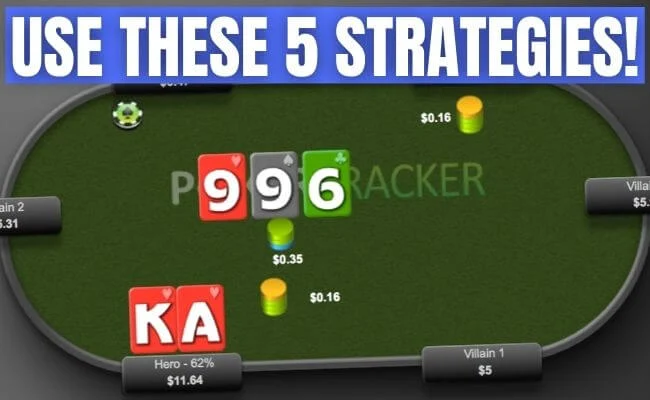
February 23, 2026Poker is a game that requires a combination of skill, strategy, and luck. While luck plays a significant role, developing effective strategies can greatly improve your chances of winning. In this comprehensive article, we’ll explore the top poker strategies that actually work, drawing insights from the experiences of top international players and experts.
Understanding the Mathematics of Poker
One of the fundamental strategies in poker is to understand the mathematics behind the game. This includes calculating pot odds, implied odds, and the probability of making a winning hand. By mastering these concepts, players can make more informed decisions about when to bet, call, or fold. For example, knowing the probability of completing a draw can help you determine whether to continue investing in the hand or cut your losses.
Bankroll Management
Proper bankroll management is crucial in poker. Top players like Daniel Negreanu, Phil Ivey, and Fedor Holz emphasize the importance of setting a budget and sticking to it. This means playing at stakes that are appropriate for your bankroll, avoiding chasing losses, and protecting your winnings. By managing your bankroll effectively, you can minimize the impact of variance and ensure that you can withstand the inevitable ups and downs of the game.
Adapting Your Strategy to the Game Format
Different poker formats, such as No-Limit Hold’em, Pot-Limit Omaha, and Mixed Games, require distinct strategies. Successful players like Bryn Kenney, Bertrand “ElkY” Grospellier, and Jason Koon are adept at adjusting their play to the specific game they are competing in. This may involve adjusting their preflop ranges, postflop decision-making, and bluffing frequencies to optimize their performance.
Mastering Game Theory Optimal (GTO) Play
Game Theory Optimal (GTO) play is a strategy that aims to find the mathematically optimal way to play a hand in a given situation. While it can be complex to implement, top players like Heads-Up specialist Doug Polk and high-stakes cash game specialist Linus Lönnroth have demonstrated the power of GTO principles. By understanding and applying GTO concepts, players can make more balanced and unexploitable decisions, making it harder for their opponents to gain an advantage.
Exploiting Your Opponents’ Weaknesses
While GTO play is essential, top players also recognize the importance of exploiting their opponents’ weaknesses. By observing and analyzing their opponents’ tendencies, players can adjust their strategies to take advantage of their opponents’ mistakes or suboptimal play. This may involve adjusting their bet sizes, bluffing frequencies, or even changing their entire game plan to capitalize on their opponents’ vulnerabilities.
Developing Patience and Emotional Control
Poker is not just a game of skill; it’s also a game of emotional control. Top players like Doyle Brunson, Phil Hellmuth, and Vanessa Selbst have emphasized the importance of developing patience and emotional control. This means avoiding tilt, managing your emotions during bad beats, and maintaining a disciplined approach even in the face of adversity. By staying calm and focused, players can make better decisions and minimize the impact of their emotions on their performance.
Utilizing Poker Solvers and Training Tools
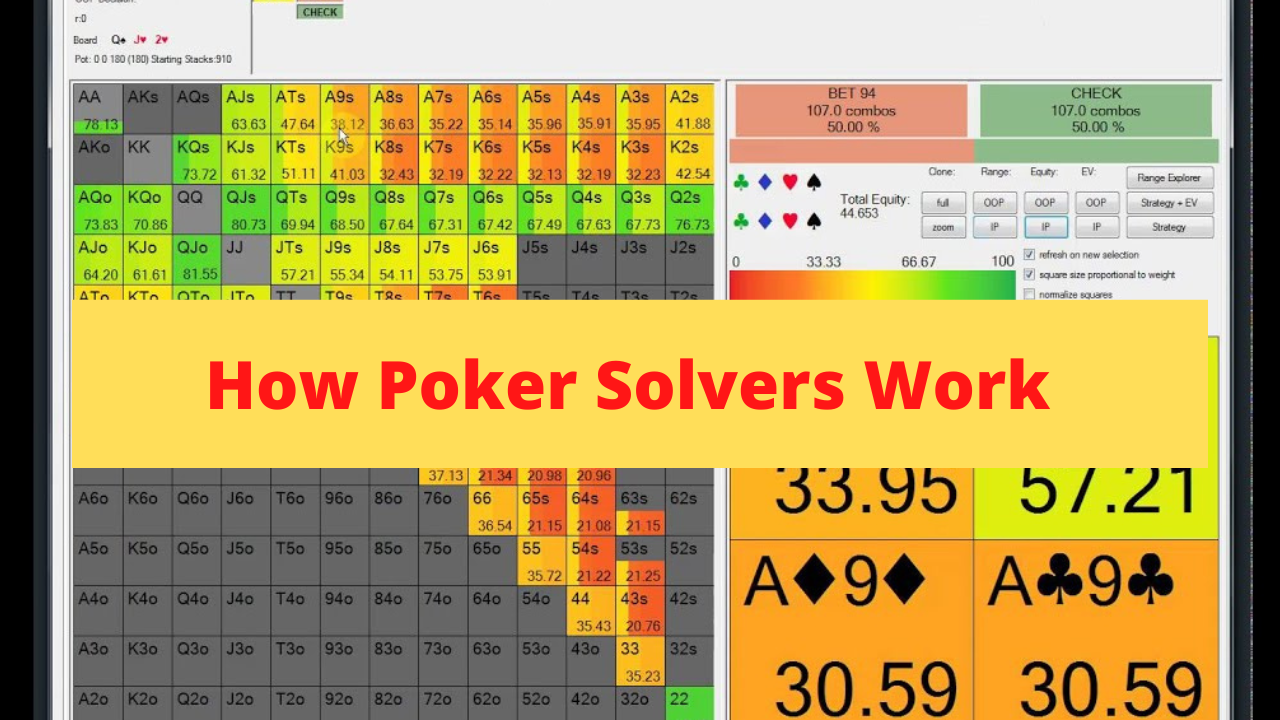
In the modern era of poker, the use of advanced tools and software has become increasingly important. Poker solvers, such as PioSolver and GTO+, allow players to analyze and study optimal play in various situations. Additionally, training platforms like PokerSnowie and PokerStars School offer comprehensive resources for improving your game. By incorporating these tools into their practice and study routines, players can gain a competitive edge and stay ahead of the curve.
Remember, while these strategies can be highly effective, it’s essential to always gamble responsibly. Set a budget, know your limits, and never chase losses. If you or someone you know is struggling with problem gambling, seek help from reputable organizations that provide support and resources.