How to Manage Your Poker Bankroll
March 2, 2026Poker is a game of skill, strategy, and discipline, but it’s also a game of risk. Proper bankroll management is crucial for any serious poker player, whether you’re a recreational player or a professional. In this comprehensive guide, we’ll explore the essential principles of bankroll management and provide actionable tips to help you navigate the ups and downs of the poker world.
Understanding Bankroll Management
Bankroll management is the art of managing your poker funds in a way that minimizes the risk of ruin and ensures the longevity of your playing career. It’s not just about the amount of money you have; it’s about how you allocate and protect that money to withstand the inevitable swings of the game.
The Importance of Bankroll Management
Effective bankroll management is the foundation of a successful poker strategy. It helps you avoid going broke, maintain a steady income, and ensure that you can continue playing at your desired stakes. When you have a well-managed bankroll, you can make informed decisions, take calculated risks, and focus on improving your game rather than worrying about your financial stability.
Determining Your Bankroll
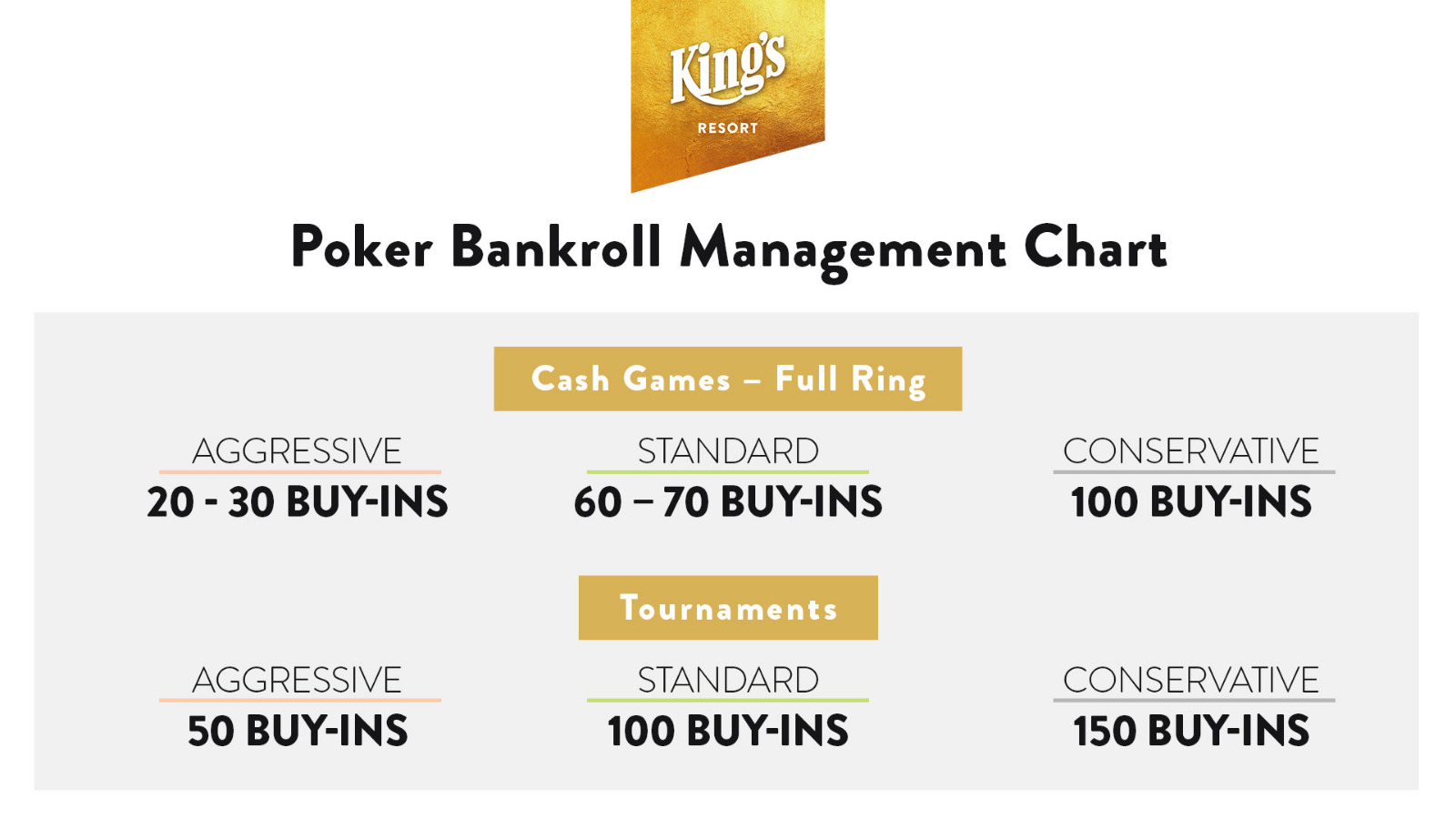
The size of your bankroll should be based on the stakes you plan to play and your risk tolerance. As a general rule, it’s recommended to have a bankroll of at least 20-30 buy-ins for the stakes you’re playing. This means that if you’re playing $1/$2 No-Limit Hold’em, your bankroll should be at least $400-$600. For higher stakes, you’ll need a larger bankroll to accommodate the increased risk.
Bankroll Management Strategies

Now that you understand the importance of bankroll management, let’s dive into the strategies that can help you effectively manage your poker funds.
Proper Bankroll Allocation
One of the key principles of bankroll management is to never risk more than a small percentage of your total bankroll on a single game or tournament. A common recommendation is to risk no more than 5% of your bankroll on a single buy-in. This helps you weather the inevitable downswings and avoid going broke due to a single bad beat or unlucky run.
Bankroll Diversification
Diversifying your bankroll is another important strategy. This means allocating your funds across different stakes, game types, and even non-poker investments. By diversifying your bankroll, you can reduce the impact of a single event on your overall financial stability. For example, you might allocate a portion of your bankroll to cash games, another portion to tournaments, and a small percentage to other investment opportunities.
Bankroll Progression
As you build your bankroll, it’s important to have a plan for moving up in stakes. The general rule is to wait until your bankroll is at least 40-50 buy-ins for the next stake level before making the jump. This ensures that you have a sufficient cushion to withstand the increased variance and risk at higher stakes.
Practical Bankroll Management Tips
In addition to the strategies mentioned above, here are some practical tips to help you manage your poker bankroll effectively:
Track Your Results
Keeping detailed records of your poker results is essential for effective bankroll management. Track your wins, losses, and the specific games or tournaments you’ve played. This data can help you identify patterns, adjust your strategy, and make informed decisions about your bankroll.
Manage Your Emotions
Poker is a game that can evoke strong emotions, and it’s crucial to learn to manage them. Avoid chasing losses or making impulsive decisions when you’re on a downswing. Instead, take breaks, review your strategy, and make adjustments to your game plan as needed.
Separate Poker and Personal Finances
It’s important to keep your poker bankroll separate from your personal finances. This helps you maintain a clear distinction between your poker activities and your everyday expenses, preventing you from dipping into your poker funds for non-poker-related purposes.
Remember, responsible gambling is essential in the world of poker. If you or someone you know is struggling with problem gambling, seek help from organizations like the National Problem Gambling Helpline (1-800-522-4700) or the International Problem Gambling Association (www.igamingplayers.com).