Best Practices for Responsible Poker
March 23, 2026Poker is a thrilling game of skill, strategy, and chance that has captivated players around the world. However, as with any form of gambling, it’s essential to approach the game responsibly and with a clear understanding of the risks involved. In this comprehensive guide, we’ll explore the best practices for responsible poker play, helping you enjoy the game while prioritizing your well-being.
Understanding the Fundamentals of Responsible Poker
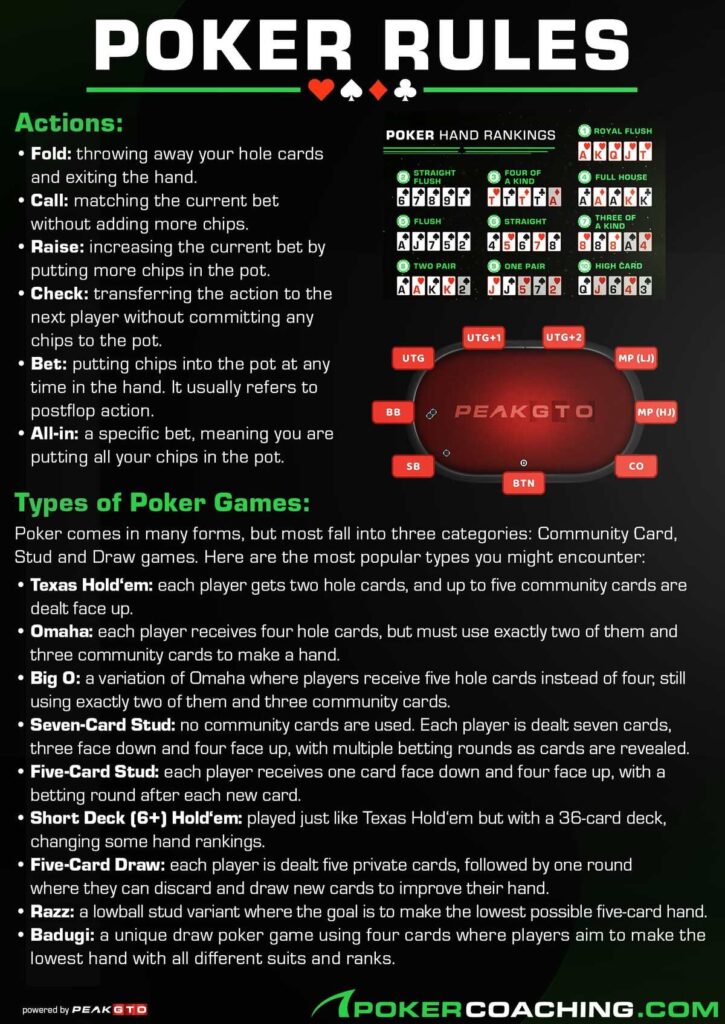
Responsible poker play begins with a deep understanding of the game itself. It’s crucial to familiarize yourself with the rules, strategies, and probabilities associated with various poker variants, such as Texas Hold’em, Omaha, and Seven-Card Stud. By developing a solid grasp of the game mechanics, you’ll be better equipped to make informed decisions and manage your bankroll effectively.
Setting Realistic Expectations
Poker is a game of skill, but it also involves an element of luck. It’s important to set realistic expectations and understand that while you can improve your chances of winning through practice and strategic play, there’s no guarantee of consistent profits. Approach the game with a balanced mindset, acknowledging both the potential rewards and the inherent risks.
Establishing Bankroll Management Strategies
Effective bankroll management is the cornerstone of responsible poker play. Determine a budget that you can comfortably afford to allocate to your poker activities, and stick to it. Avoid chasing losses or betting more than you can afford to lose. Consider setting daily, weekly, or monthly limits on your poker spending, and be disciplined in adhering to these limits.
Cultivating Healthy Poker Habits
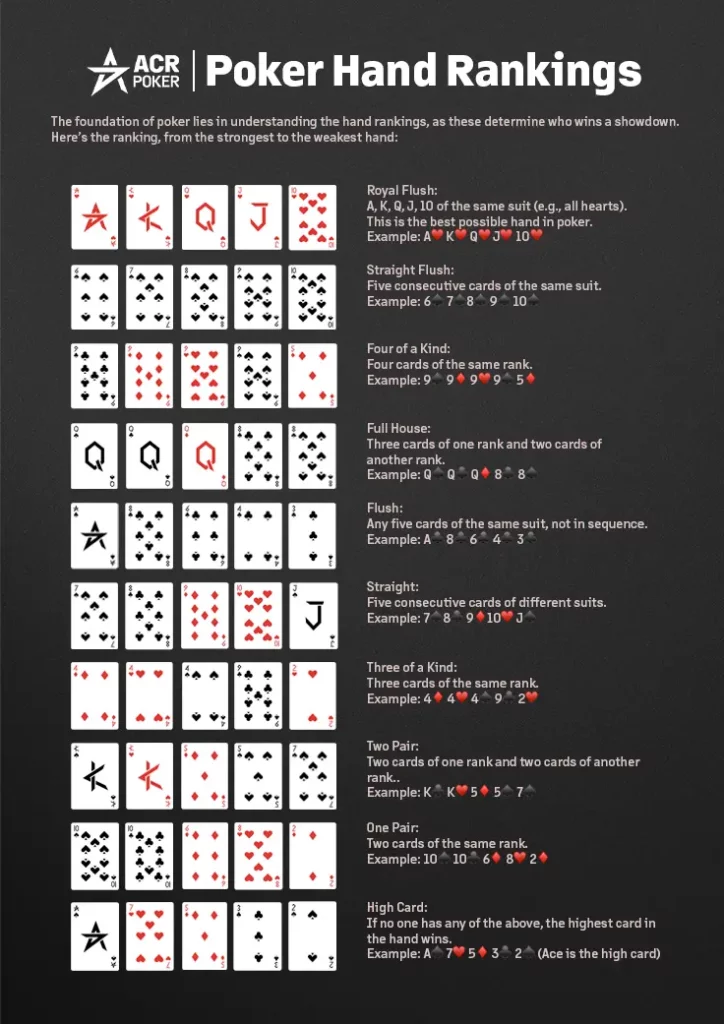
Responsible poker play extends beyond just managing your finances. It also involves developing healthy habits that support your overall well-being and prevent problematic behaviors.
Maintaining Emotional Control
Poker can be an emotionally charged game, with the thrill of victory and the sting of defeat often eliciting strong reactions. It’s crucial to maintain emotional control and avoid making impulsive decisions based on tilt or frustration. Practice mindfulness techniques, such as deep breathing or meditation, to help you stay centered and focused during gameplay.
Balancing Poker with Other Aspects of Life
While poker can be an engaging and rewarding hobby, it’s important to maintain a healthy balance with other aspects of your life. Set aside dedicated time for poker, but also make sure to prioritize your relationships, work, and personal well-being. Take regular breaks from the game to recharge and avoid burnout.
Recognizing and Addressing Problem Gambling
Despite our best efforts, some individuals may develop problematic gambling behaviors that can have serious consequences. It’s crucial to be aware of the signs of problem gambling and to seek help if you or someone you know is struggling.
Identifying the Signs of Problem Gambling
Some common signs of problem gambling include chasing losses, neglecting other responsibilities, and experiencing financial or relationship difficulties due to excessive gambling. If you notice these or other concerning behaviors in yourself or a loved one, it’s important to take action and seek support.
Accessing Resources and Support
There are numerous resources available to help individuals struggling with problem gambling. This includes counseling services, support groups, and self-exclusion programs offered by reputable poker operators and regulatory bodies. Don’t hesitate to reach out for help if you need it.
Embracing the Joy of Responsible Poker Play
Poker can be an immensely rewarding and enjoyable game when approached with a responsible mindset. By following the best practices outlined in this guide, you can maximize the positive aspects of poker while minimizing the potential risks. Remember to always gamble responsibly, set your limits, and prioritize your overall well-being. With these principles in mind, you can embark on a thrilling poker journey that is both fulfilling and sustainable.
Responsible gambling is essential for maintaining a healthy and balanced relationship with poker. If you or someone you know is struggling with problem gambling, don’t hesitate to seek help. Resources are available to provide support and guidance, and taking that first step can make all the difference. Enjoy the game, but always remember to play responsibly.